Understanding the Signs of Opioid Addiction
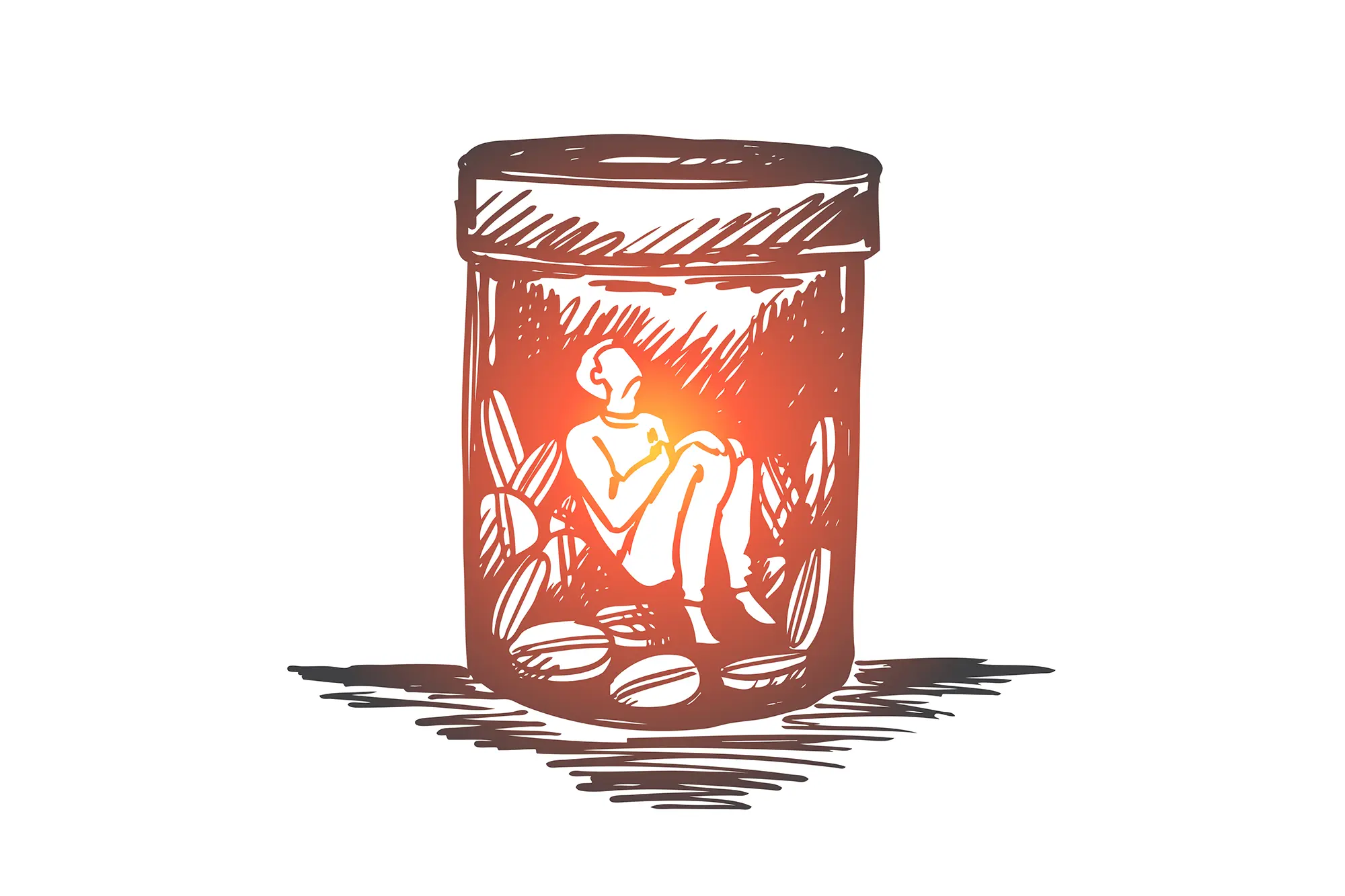
Recognizing the signs of opioid addiction is crucial for early intervention and treatment. Common symptoms include increased tolerance, withdrawal symptoms when not using, and neglecting responsibilities in favor of drug use. Individuals may also experience changes in behavior, mood swings, and physical health issues.
For example, a person struggling with opioid addiction may isolate themselves from family and friends, exhibit secretive behavior, or engage in risky activities to obtain drugs. Understanding these signs can help loved ones encourage those affected to seek professional help and support.
The Importance of Aftercare in Recovery
Aftercare is a vital component of the recovery process, providing ongoing support after treatment. This phase helps individuals maintain sobriety and navigate the challenges of everyday life without substances. Aftercare programs can include counseling, support groups, and continued medical care.
For instance, many recovery centers offer alumni programs that allow former patients to connect, share experiences, and support each other. Engaging in aftercare significantly reduces the risk of relapse and fosters a sense of community among those in recovery.
Exploring Alternative Therapies for Addiction Recovery
Alternative therapies can complement traditional treatment methods for addiction recovery. Approaches such as yoga, meditation, and art therapy have gained popularity for their ability to reduce stress and promote emotional healing. These therapies focus on holistic well-being and can enhance the effectiveness of conventional treatments.
For example, studies have shown that mindfulness meditation can help individuals manage cravings and reduce anxiety, making it a valuable tool in recovery. Integrating alternative therapies into a treatment plan can provide individuals with additional coping strategies and support their overall healing journey.
Understanding Co-Occurring Disorders in Addiction Treatment
Co-occurring disorders, or dual diagnosis, occur when an individual experiences both a substance use disorder and a mental health issue. Addressing these interconnected conditions is essential for effective treatment and long-term recovery. Integrated treatment plans that address both aspects can lead to better outcomes.
For instance, someone struggling with depression and opioid addiction may require a tailored approach that includes both psychotherapy and medication management. By treating both disorders simultaneously, recovery centers can help individuals achieve a more sustainable path to healing and improved mental health.